

SEVEN times the critics changed their minds...
...and SEVEN verdicts on whether they were right

Times change, opinions change, critical frameworks change — and yet we’re as fond as ever of the myth of the visionary masterpiece, hopelessly misunderstood in its own time but eventually reassessed once it’s stuck around for a few decades and changed the world. Are we always right to do so? Are records like these often rejected outright, or is it more that critics simply don’t see their full significance? Do we stand to learn more than we’d think by peering back into past zeitgeists and piecing together why healthy agnosticism may be more healthy than de facto reverence?
Dunno. I’ve chosen SEVEN records (duh) for this retrospective of reappraisals, and each of their stories is as fascinating as it is extremely singular. Few lines can be drawn between any two of them, and we’ll take that as a sign of myth-busting in action and actual history beginning to emerge. Failing that, there’s a few hot takes in store for you all.
It’s worth noting that these things tend to work one way: critical disdain later revised to critical acclaim. It’s rare to see the reverse, perhaps because the yardsticks of revision tend to be the retrospective reviews that follow re-releases, anniversary editions, and such like. Critics are apparently immune to setting the record straight when it comes to their own false or poorly-aged hype.
There’s a fun thinkpiece to be written for how many weeks The Suburbs held its own as the indie album of our times, the exact year that Carole King fell into the basement of the canon, the powers that be finally decided to draw a line under Eric Clapton, or how many years it will take until we all forget who Geese are — but not today! Instead, here are SEVEN cases of when the Establishment decided that certain records were all that after all, accompanied by SEVEN verdicts on how right they were[n’t] to do so.
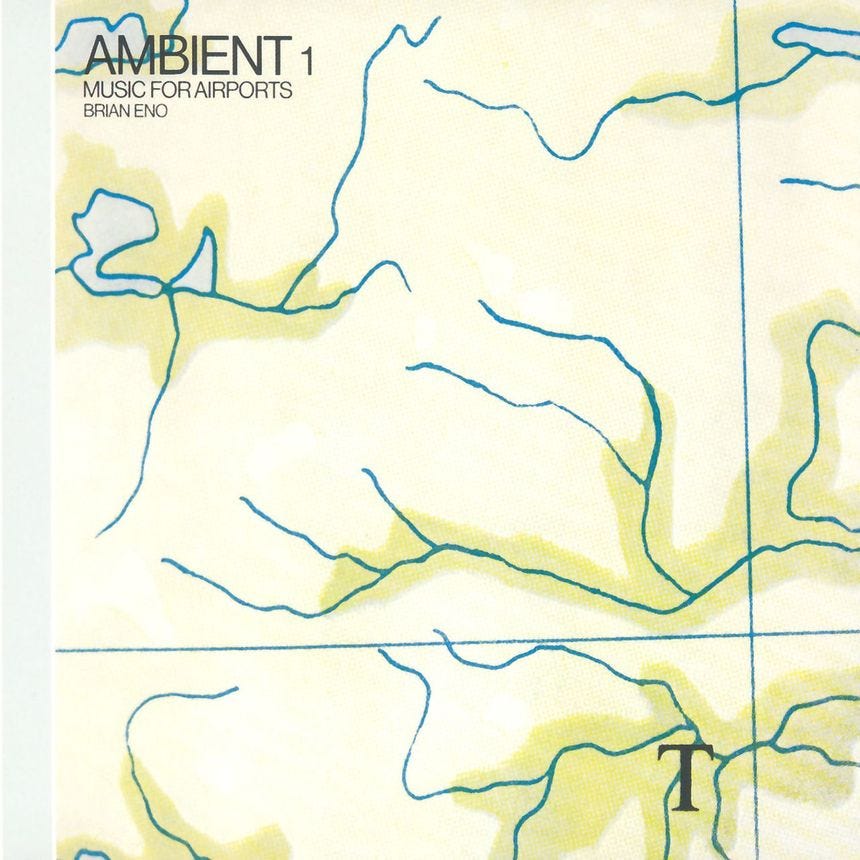
Brian Eno — Ambient 1: Music for Airports (1978)
Now?
These four, endlessly loopable, ‘crystalline, sun-light-through-windowpane‘ offerings are practically the essential text for ambient, arguably the most prolific genre of the century. They’ve been afforded a prophetic scope in their vision for functional, or environmental music. They’ve been played in hospitals and, yes, in actual airports. They apparently add up to Pitchfork’s greatest ambient album of all time.
Then?
Music for Airports certainly wasn’t panned on release and contemporary critics engaged earnestly with its functionalist intentions — unless you count Robert Christgau, who, facetiously or otherwise, missed the point and observed that [these pieces have] fared unevenly against specific backgrounds: sex (neutral to arid), baseball (pleasant, otiose), dinner at my parents’ (conversation piece), abstract writing (useful but less analgesic than Discreet Music or my David Behrman record).
What you won’t find is much indication that it was a significant record beyond the circumstances of its creation or intention, or, well, beyond being made by Brian Eno (whose Roxy Music/David Bowie/Talking Heads/Television etcetc. credentials commanded respect within their own time). This rather tentative piece from Rolling Stone seems a fair yardstick to me: As environmental sound, it works quite well, better than the earlier Discreet Music, which it superficially resembles. Moreover, there’s a good deal of high craftsmanship here, but to find it, you’ve got to thwart the music’s intent by concentrating. Appreciative and respectful, yes. Reverent or enthusiastic, certainly not.
There was some more pronounced backlash to Eno’s resolution-shy, phlegmatic style of composition, most quotably from No Wave dervish Lydia Lunch:
Eno’s records are an expression of mediocrity, because all it is is just something that flows and weaves, flows and weaves . . . it’s kind of nauseating. It’s like drinking a glass of water. It means nothing, but it’s very smooth going down.
All in all, the discourse here revolves around Music for Airports‘ modest perceived successes and/or failures as a standalone art project, and if it was considered representative of something wider, then it was a trend localised within Eno’s own body of work. Not exactly an instant classic.
Verdict
This album’s influence and legacy are untouchable, but what strikes me most about it is just how well it’s aged within the genre. Lester Bangs (who, in this highly insightful 1979 introduction/interview was one critic who really did get Eno at the time) was sufficiently tuned in to Eno’s earlier ambient work to remark that [Music for Airports] doesn’t add a whole lot to what he’s already said in the genre.
Though preferable to the myth that this was the first ambient album altogether, I take slight issue with this, both in that these pieces are far removed structurally from the songlike miniatures found on Another Green World or Before and After Science and much more deceptively intricate than their closest natural correlate, Eno’s first wholesale plunge into ambient on 1975’s Discreet Music. They also strike me as highly distinct in their emotional landscape and structure from most of what they influenced — compared to other genre-defining records like White Light/White Heat, Selected Ambient Works 85-92 or Loveless, you’ll find disarmingly few carbon copies of Music for Airports. Even the New Age/minimalist piano music that recall it most directly shares little in common with the uncanny cleanliness of its production style.
For me, what makes this album so endlessly wondrous and preserves it as an in- and out-of-genre classic is the subtle ways that it challenges (and gently reassert) the idea of a human presence. Eno is famous – but perhaps not famous enough – for the aleatory side of his process, allowing his tape delays and loops to overlap as they will, without obsessing over the details himself (think of it as a minimalist set of accidental polyrhythms layered each other and you’re likely somewhere close).
On the one hand, there’s something about reassuring about hearing these loops play on and on, overlapping irregularly as though through a life of their own, knowing that however they fall into place the piece will carry and rewrite itself securely (something only compounded by any unease that arises when they dissipate); on the other hand, those ‘autopilot’ structural qualities evoke an eerie yearning for a human presence, which in turn makes the emotive qualities of Eno’s melodies that much more gratifying when they recur. My favourite pieces have always been “2/1” and (especially) “1/2” because, although their motifs and harmonies are individually soothing, there’s a deceptive anxiety to the way they hang together, each of the irregular lulls between each phrase raising a slight flicker of doubt before the constituent loops reassemble; they sound like technology breathing human breath.
This is clearly a far more complex emotional and compositional dimension than the album’s muzak branding would suggest, something Eno touched on with Bangs in relation to the dispassionate byproduct of his mechanical ventures:
“On the one hand the music sounds to me very emotional,” he says, “but the emotions are confused, they’re not straightforward: in things that are very uptempo and frenzied there’s nearly always a melancholy edge somehow. What people call unemotional just doesn’t have a single overriding emotion to it. Certainly the things that I like best are the ones that are the most sort of ambiguous on the emotional level.”
“Also, one or two of the pieces I’ve made have been attempts to trigger that sort of unnervous stillness where you don’t feel that for the world to be interesting you have to be manipulating it all the time. The manipulative thing I think is the American ideal that here’s nature, and you somehow subdue and control it and turn it to your own ends. I get steadily more interested in the idea that here’s nature, the fabric of things or the ongoing current or whatever, and what you can do is just ride on that system, and the amount of interference you need to make can sometimes be very small.”
This ties into Eno’s infamous I’m not a musician resistance to the notion of the artist as a virtuosic, active technician, but more importantly, it hints at an approach to listening that this album championed and has been handsomely rewarded for the more people cottoned onto it: the thought that music itself is something to ride on rather than an emotional state to be spoon-fed by a prescriptive creator. Are you listening to music as a fixed narrative, or to the world itself through music? This is a quiet revolution all of itself, and it’s entirely fitting that this is one of the most enduringly rewarding albums for a curious audience secure in their attention span.
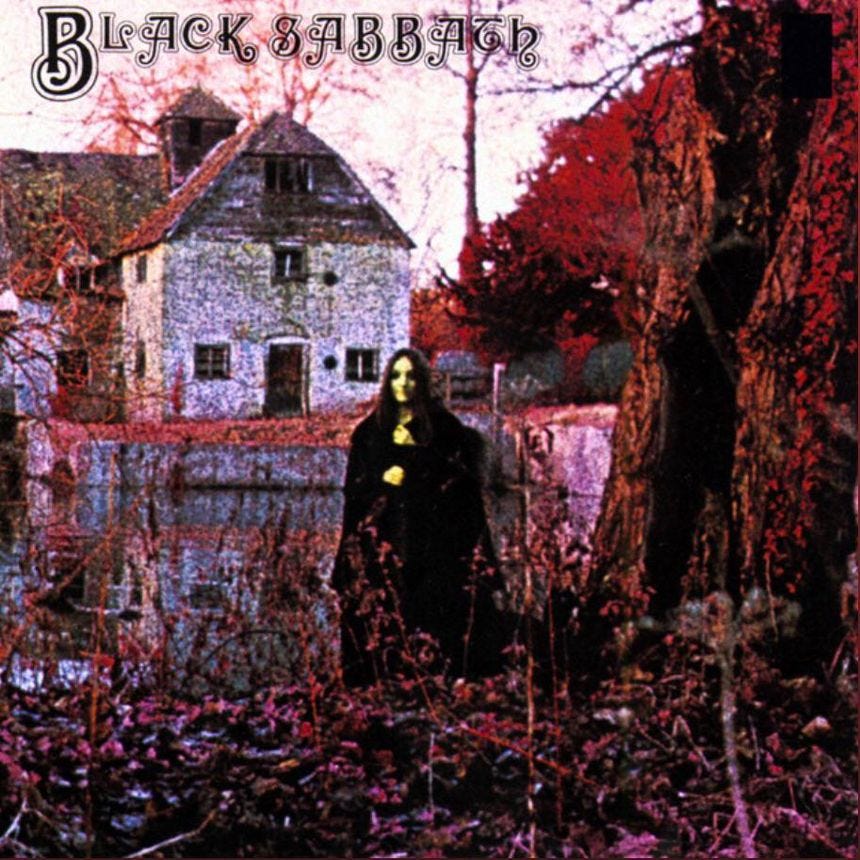
Black Sabbath — Black Sabbath (1970)
Now?
Seriously, the thunderous debut album of heavy metal’s earliest pioneers? I’ve felt awkward enough introducing most of these records, but for this one you might as well be explaining why Genesis is the first book of the Bible. This was the eureka moment when heavy blues coalesced as something doomier, more muscular and more morbidly spectacular; its theatre and riffery has inspired thousands of bands the world over, and its legend is unimpeachable. Throw some horns, etc.
Then?
Instant revulsion, especially in the US — though not because it was inordinately heavy for the time, or as a moralist backlash to its occult themes. The criticisms here are driven by great cynicism towards the album’s spiritual overtures, which apparently scanned as vacuous edginess. I’ve been worried something like this was going to happen since the first time I saw a numerology column in an underground newspaper, sez Christgau with that inimitable tongue-in-cheek glib that can’t quite mask his latent stuffiness. Quite.
Writing for Rolling Stone, Lester Bangs was also instantly dismissive of the album’s imagery and subject matter, but his chief gripe concerned the album’s musical merits:
Vocals are sparse, most of the album being filled with plodding bass lines over which the lead guitar dribbles wooden Claptonisms from the master’s tiredest Cream days. They even have discordant jams with bass and guitar reeling like velocitized speedfreaks all over each other’s musical perimeters yet never quite finding synch — just like Cream! But worse.
It’s difficult to find other concrete sources online (not being able to trawl the NME and Melody Maker archives in the British Library is the first time I’ve regretted leaving London), but the British press were seemingly less than ecstatic in their response. In any case, the one-two punch of those Bangs/Christgau reviews defined the critical outlook on this album in its time and still enjoys a rare level of infamy.
Verdict
These takes are so far off base that it’s less fun refuting them than it is to puzzle out where on earth they were coming from. It seems laughable to hear this today and think of the debt it admittedly owes to contemporary heavy psych acts like Blue Cheer, Cream and, perhaps, Love Sculpture and Hendrix rather than the likes of Candlemass and the Melvins who proliferated from it.
No amount of apologism will let me condone a man as partial to the good grit as Lester Bangs writing off the unstoppable doomy clout of Tony Iommi’s guitar as a handful of wooden Claptonisms. In some of the leadwork, perhaps, but those riffs speak for themselves and the sheer beefiness of Iommi’s guitar is a marked departure from the crunchier tones Clapton et al. were riding on at the time.
Hearing it now, its occult trappings have decades of subcultural weight behind them, but to extend an olive branch to Bangs and Christgau, I think it helps to reconstruct (as this Guardian article attempts to) how outright unfashionable its novelty must have scanned at the time — but, has that not become the Point? Hasn’t Christgau’s invocation as the worst of the counterculture not proved true for metal aesthetics across time if you ignore the moralistic overtones and focus on social capital? A whisk through the shameless peacocking of ‘80s hair metal, the pigheaded machismo of groove metal, the kitsch of black metal and the crusty nerddom of death metal nerd chambers in the ‘90s, and the fragilistic discharge of ‘00s scenecore would suggest as much. Metal has always reclaimed bad taste as a beacon for the disenfranchised, and it stands to reason that it would both do and be disparaged for as much in its earliest incarnation.
Beyond this, I think it’s more interesting to examine whether those early reactions to Black Sabbath exaggerate the darkness for the sake of an easy putdown. The title-track may be terror incarnate, but the mystical folk snapshots on, say, “The Wizard” are hardly removed from the mystical folk snapshots Led Zeppelin and Tyrannosaurus Rex were pedalling at that time (to far greater acclaim). On that note, “The Warning” and the admittedly trite Crow cover “Evil Woman” are straight from the Zeppelin school of seething infidelity narratives, albeit with a little more vulnerability, a lot less horniness and no powerless schoolgirls to pray on. Is it too much to credit Geezer Butler with self-awareness beyond his time when he puts Ozzy in the shoes of the literal devil for the album’s obligatory blues rockin’ sexual predator hour on “N.I.B.”? Perhaps, but it would likely have been wasted on the ‘70s critical zeitgeist regardless (see Bangs’ review of Astral Weeks).
All said, Black Sabbath marks a fun contrast to Music for Airports in that it can be seriously posited as the opening chapter to metal altogether, but given the loftiness of that accolade, it’s refreshing how prepared people seem to take it on its own terms. The spectacle and delivery get their due, as does the sheer power of those riffs, but the leaps and bounds the band would make in songwriting over their following three records were such that very few will claim the debut as their favourite Sabbath outing — and so what? It’s a damn fine record. Adequately rated. The revisionists got this one right, and bless them for not going overboard on it.
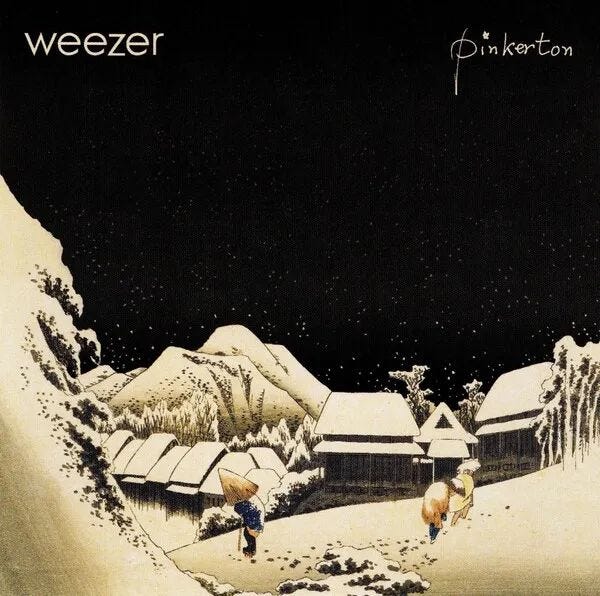
Weezer - Pinkerton (1996)
Now?
Visionary, soul-baring masterpiece that ties sexual dissatisfaction and seething self-hatred to pop rock earworms in a way that only the ennui and privileges of the US college system could produce. A gritty mainstay in the last three decades of Western civilization. Life-affirming validation for any horny teenager who abruptly realises he’s grown up to be a creep. (Men, is that all of us?)
Then?
Think back to a time when emo had yet to achieve metastasis and frat-minded pop punk hadn’t dominated the mainstream — yep, that’s a pre-Pinkerton world you’re picturing! Before suburban catharsis was the word for rock music and we put our trust in the likes of Ian Cohen to armchair-pontificate on the relationship between teenage angst and Necessary Art, the critical landscape was clearly, uh, unprepared for this record. Melody Maker and Rolling Stone turned their nose up at the lyrics. Some publications were comfortable tuning into Rivers Cuomo’s neediness and self-pity, but didn’t like the raw production. Pitchfork got it from the word go. Of course they did.
The initial critical, commercial and fanbase responses to Pinkerton were tepid at best, but, unusually, their pattern of initial rejection and revisionary acceptance is mirrored by the artist. See the following from Rivers Cuomo in 2001…
[Pinkerton is a] hideous record [...] a hugely painful mistake that happened in front of hundreds of thousands of people and continues to happen on a grander and grander scale and just won’t go away. It’s like getting really drunk at a party and spilling your guts in front of everyone and feeling incredibly great and cathartic about it, and then waking up the next morning and realizing what a complete fool you made of yourself.
…compared to how he felt in this 2010 MTV interview after a decade of having his ego massaged by the album’s obsessive fanbase:
“Now we get to give them the whole thing, and it’s a real joy for us,” Cuomo beamed.
It’s fitting that his favorite song to play on this tour comes from Pinkerton, a song called “Across the Sea.” Cuomo described it as “the most personal and intimate and the most ‘me’ of anything I’ve ever written.” So when he saw the audience respond to it so well on their first night of the tour, it was a huge moment for him. They might not have seen it under his T-shirt, but Cuomo said he had goose bumps all over during the performance.
Verdict
Reappraisal? Fuck off. No. Absolutely not. Leave this vile, incel-birthing trash album in the ‘90s or else as a citation for whatever terrible essay you’re drafting for Masculinity in Crisis. I’d be far more open to extending bravery to Rivers Cuomo leafing through his crush’s diary while picturing schoolgirls masturbating in faraway bedrooms if he delivered it with so much as an ounce of awareness beyond the self-deprecation sprayed all over this album like a desperate cry for validation. Even more than the subject matter itself, I absolutely loathe the wheedling tone of this album, its narrator pining to be loved for his most piteous qualities, to be viewed as deep for a bare minimum of candid bashfulness.
I’m just amazed that it pre-dates social media; the toxic blend of irony and candour at play throughout the whole record feels extremely contemporary, and I will concede that for that reason alone, a retrospective of some kind was in order (better that then a pandering overture to the legions of mostly insufferable emo bands inspired by this album). I will also concede that “The Good Life” zips, something that cannot be said for any other tune here — why do we waste so many words about the significance of Pinkerton‘s miserable ego-nadir when its near-total failure to hold its own as a passable rock album is almost as egregious? Ugh.
There’s a masterpiece reappraisal to be written here about privileged boydisasters and the internet and suburbia and Asian fetishisation and indulging terrible fanbases, but I hate this album too much to formulate even one more coherent sentence about it. In lieu of that, the album’s scummy ‘honesty’ and needy self-deprecation (together with Cuomo’s own revisionist stance on the material) both bring to mind the following (from Rebecca Watts, on poet-catastrophe Hollie McNish):
It is a twisted sort of vanity that leads a person to crave applause for what they believe to be their worst creations. Yet as [the artist] understands, the cult of personality that social media fosters works precisely this way: once you care about the person you’ll consume anything they produce — especially if it makes you feel better about your own lack of talent.
Too bad the critics of 1996 couldn’t simply tell Cuomo to fuck off back to whichever rank corner of Reddit he should have left this one.
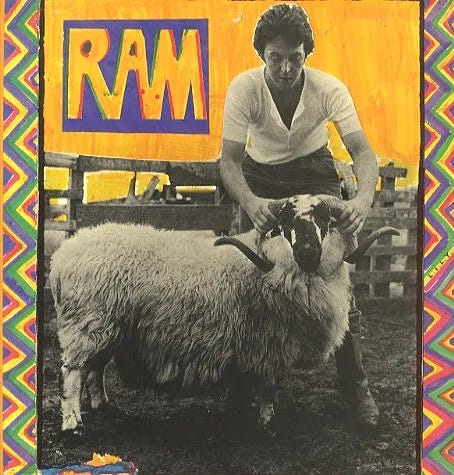
Paul and Linda McCartney - Ram (1971)
Now?
An early highlight in Macca’s solo career and a progenitor of indie pop! An inspirational set of jingles that turn everyday pleasures (and a couple of simmering resentments) into wholesome earworms, cementing Paul’s reputation as the Beatle for elaborate arrangements and complex harmony while entrenching him in the comforts of married life. Take it from the Pitchfork retrospective: Ram is a domestic-bliss album, one of the weirdest, earthiest, and most honest ever made.
Then?
The critics spat on this one! There’s plenty of venom to be had from the NME (the worst thing Paul McCartney has ever done), Christgau (if you’re going to be eccentric, for goodness sake don’t be pretentious about it) and, uh, Playboy (substituting facility for any real substance), but the Rolling Stone’s Jon Landau drills into the woes of McCartney’s low critical fortunes early post-Beatles years, and may just take the cake for my single favourite hatchet job on any of these SEVEN records (regardless of agreement):
Ram represents the nadir in the decomposition of Sixties rock thus far. For some, including myself, Self-Portrait had been secure in that position, but at least Self-Portrait was an album that you could hate, a record you could feel something over, even if it were nothing but regret. Ram is so incredibly inconsequential and so monumentally irrelevant you can’t even do that with it: it is difficult to concentrate on, let alone dislike or even hate.
[...] if it was Paul who used to polish up Lennon’s bluntness and forced him to adapt a little style, it is by now apparent that Lennon held the reins in on McCartney’s cutsie-pie, florid attempts at pure rock muzak. He was there to keep McCartney from going off the deep end that leads to an album as emotionally vacuous as Ram. Now left to their own devices, each has done what always came most naturally. Lennon has created a music of almost monomaniacal intensity and blunt style, while McCartney creates music with a fully developed veneer, little intensity, and no energy.
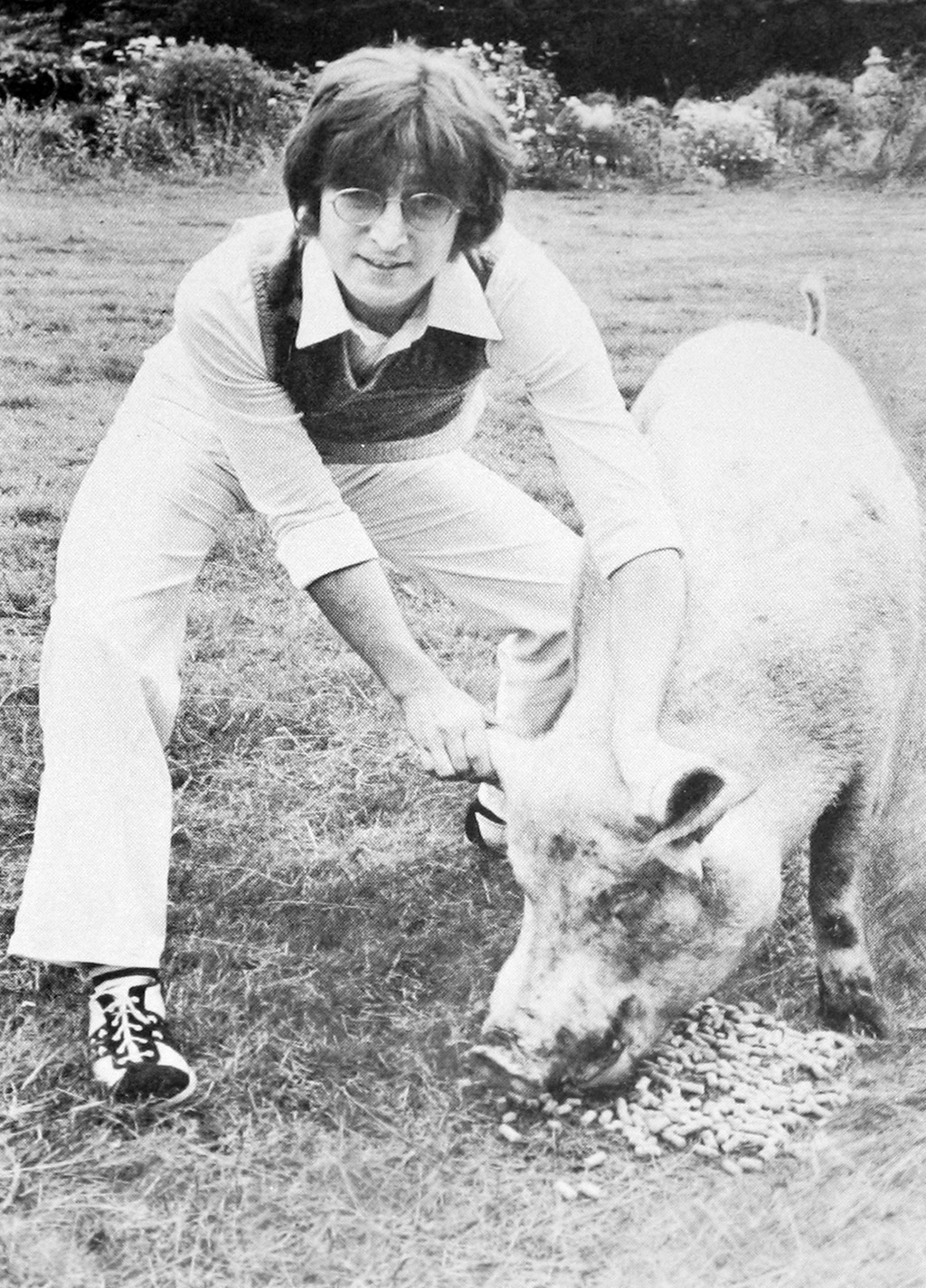
Lennon himself famously stuck the boot in, and even Ringo was apparently a hater. Not quite the turnaround of fortunes McCartney had envisioned for this one, but hey, it did hit number one in the UK (as did the single release of “Uncle Albert/Admiral Halsey”) and almost got there in the US.
Verdict
I can forgive the critics for not taking McCartney seriously off the bat. Leave aside the hits, and he handily earned his reputation for being overly precious about vapid parlour tunes with the Beatles in the late ‘60s, and his 1970 solo debut was unapologetic both about its homemade trappings and the delight it took in the trivial (for better and for worse). Ram falls midway through a critical drought that was only compounded by the reception of the early Wings records over the following years: with the tepid Wild Life and the stultifying Red Rose Speedway behind him, it wasn’t until 1973’s Band on the Run that he found acclaim for his post-Beatles work.
So would it have been easy to give Ram short shrift if you were clued up on the zeitgeist? Absolutely. Some of the material leans directly into accusations that of the album was trivial: the hurrdurr innuendo of “Eat at Home” is hardly a level above toilet humour, Linda McCartney’s vocal leads on “Long Haired Lady” are grating and amateurish, and I have to agree with the Rolling Stone on the acoustic banality of “Heart of the Country”:
Somehow, his lyrics about the joys of the country ring false. Rather than a sense of self-acceptance or pride, I get a feeling of self-pity and self-justification from this cut, feelings that are almost masked by music so competent, in fact routine, that it all seems to slip away
A wholesale pan, though, strikes me as entirely unwarranted. This album is far too creative, far too personable to be entirely useless as suggested. As a purely pop experience, there’s all sorts of excellence to be found here — who could be so joyless as to pass up the way “Uncle Albert/Admiral Halsey” pulls hook after hook from unpredictable places, or to bop along with “Monkberry Moon Delight”’s unhinged nonsense romp? From the more conventional fare, “Dear Boy” and “Too Many People” are bursting with strong harmonies, and as for the album’s homemade trappings and quaint aesthetics, Paul and Linda’s ragtag husband-and-wife performances are charming enough as a proof-of-concept. I really like the read the Pitchfork retrospective has on the Paul and Linda factor:
the decision [to opt for a dual credit] scans more like guilelessness and innocence. The songs don’t feel collaborative so much as cooperative: little schoolhouse plays that required every hand on deck to get off the ground. Paul had the most talent, so naturally he was up front, but he wanted everyone behind him, banging pots, hollering, whistling-- whatever it is you did, make sure you’re back there doing it with gusto.
Ram is far from a perfect record, but part of its appeal is that it doesn’t demand to be taken as one. It is pompous at points, yes, but this is a Paul McCartney undertaking after all, and all things considered this is about as zany and unpretentious as anything you could ask of that precious geezer. I can see why it resonated with the public at the time, and I’m glad it’s been reclaimed at the early highlight of his solo discography that it absolutely is. I’m generally pretty sympathetic to a well-placed character assassination of McCartney in his vintage years, but not if it comes at the expense of some of his best work.
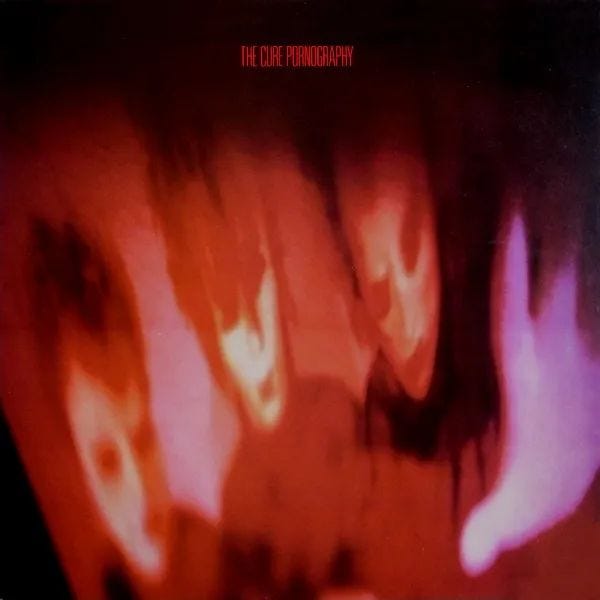
The Cure - Pornography (1982)
Now?
A beloved dark night of the soul that personifies the emotional extremity of gothic rock and is second only to Disintegration in popular and critical consensus on the Cure’s discography (this highly informative piece by the Quietus would put it right at the top).
Then?
Some sources nod respectfully to how harrowing and uncompromising the Cure played it on Pornography, but this reads as begrudging praise rather than full-tilt acclaim (particularly from the NME). Many reactions are less enthusiastic:
Record Mirror described it as Banshees-derivative and uninspired.
Adam Sweeting trashed it in a contemporary review for Melody Maker and a lazily-penned 2005 Guardian retrospective.
Christgau wrote some pith about not taking the gloom seriously.
Perhaps most notably, the Rolling Stone criticised the music as droning tedium and savaged the album for its lyricism in a 1.5-star scorcher:
Lyrically, the Cure seems stuck in the terminal malaise of adolescent existentialism. Pornography opens with bad fatalism (“It doesn’t matter if we all die”), closes on a bad pun (“I must fight this sickness/Find a Cure…”) and spends the intervening moments dispensing the sort of clichés usually reserved for bad poetry in high-school literary journals. Backed by music that relies less on melody than thick slabs of heavily treated sound, Pornography comes off as the aural equivalent of a bad toothache. It isn’t the pain that irks, it’s the persistent dullness, and that makes this Cure far worse than the disease.
Verdict
This is one I’m willing to defend from either perspective, up to a point. Aged 18, Pornography was my first Cure record, and it was my last for many years. Its morbid qualities were all there on paper, and I was the right mix of tumultuous and confused to gravitate towards them, but I found parts of the album tuneless and overbearing, and my suspension of disbelief crumpled in the face of its overwrought lyrical style. (The same ended up being true for The Downward Spiral, which got its fair shot within a couple of weeks of Pornography.)
This largely remains the case, all the more so for how much I’ve slowly grown to adore 1981’s Faith (my favourite Cure record) — that album’s bleak expanse gives even the most turbulent of Robert Smith’s eyeliner-melting verses the space for resonance, whereas I find this album’s tendency to whip the aesthetic intensity to fever-pitch is simply too much to take as seriously. “Siamese Twins” and “A Strange Day” are the most Faith-like songs here, but they play like minor pockets of gloom in the scheme of a full-on breakdown.
Obviously, gloomy maximalism at all costs is a higher priority for many Cure fans than it is for me, and for what it’s worth, Robert Smith and co. have proved themselves earnest in enough guises since that it seems miserly to fault one of their most emotionally charged albums as pretentious hysterics. Goodness knows enough of us have indulged our real hysterics and real gloomy pretensions with albums like this to vindicate him.
Moreover, there are other issues to take with the original appraisals, particularly when it comes to melody and songcraft. While the run from “A Short Term Effect” to “Siamese Twins” suggests a tidy case-in-point for the album being a melody-starved trudge, tracks like “The Figurehead”, “Cold” and the notorious opener “One Hundred Years” are all very striking in how their most tortured moments correspond to compelling melodic progressions. Among the less tuneful fare, I’ll give the 1982 critics their due for Banshees parallels, but they may have missed the singular force of Lol Tolhurst’s ruthless, cymbal-agonistic drumming, which to my ears is in a class of its own in an early ‘80s rock band. Relentless, sure, but uninspired or derivative? Hardly.
I don’t think I’ll ever consider Pornography a masterpiece, but it marks an appropriately eventful finale to the Cure’s 1980-1982 gothic trilogy; it’s my least favourite album of the three, but I’ve grown to think of it more for what it adds to that run than where it wavers for me. Has its reappraisal come at the expense of anything else? Not exactly: Seventeen Seconds and Faith have both shared its spotlight to some extent, and I can easily see Pornography commanding zealous affection for those who found the former too lightweight or the latter too evasive.
On top of that, I think a certain amount of its acclaim is collateral to the Cure’s number going up as a whole over recent years. I suppose any focus on Pornography belies that the Cure actually have one of the more colourful rock discographies to play pick and mix with, but most fans I’ve engaged to are more respectful of the diverse, often openly contradictory preferences at play there than they are protective of their favourites. So who cares if the most harrowing record comes up tops for many? It’s not like the priggish arguments of influence and supremacy you’d associate with, say Radiohead discussions…
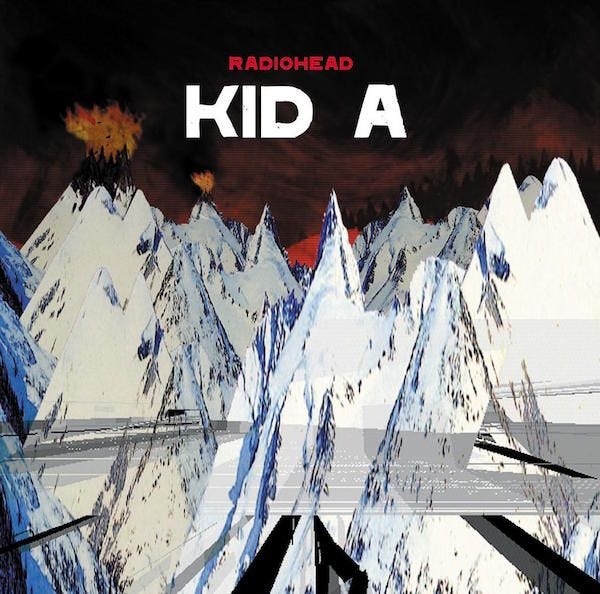
Radiohead - Kid A (2000)
Now?
A universally acclaimed super classic that is frequently championed as one of the best we ever got from Radiohead (who obviously remain the critical darling for the last quarter-century of rock). A defining work of postmodern dystopia that arrived just in time to chime with new-millennium anxiety. A vast, bold step from the alternative rock that had won the band such acclaim on 1997’s OK Computer, ushering in ambient and electronic sounds in a way that confounded and inspired indie musicians and critics alike for years to come. You’ll find absolutely no shortage of starry-eyed retrospectives, up to and including dubbing it the best album of the ‘00s.
Then?
To borrow from Stereogum’s 20-year retrospective:
[Kid A] has been so thoroughly canonized that it’s easy to forget just how polarizing the album was at the time. There were worshipful reviews, including the notoriously overwritten perfect 10 that helped put Pitchfork on the map. But some critics slagged off Kid A as turgid and self-indulgent, a betrayal of Radiohead’s strengths that leaned into their worst miserablist impulses.
The last sentence in the above quotation is pulled almost verbatim from the Guardian’s 2-star review — in other words, Kid A was initially met with a divisive response that has been more or less forgotten after decades of sustained praise.
Broadly speaking, the negative side of contemporary criticism falls into two camps: those who found Radiohead’s fresh pool of influences derivative, and those who were too bewildered by it to do much more than rage at its artistic overtures. The former camp is probably best seen in the Irish Times‘ dismissal of Kid A in contrast to Music for Airports and Scott Walker’s Tilt along with its claim that dark electronica has been bettered by a thousand bleep-meisters from Mouse On Mars to Photek to To Rococo Rot, while Salon’s Andy Battaglia notes the album’s huge debt to contemporary experimental electronicists like Oval, Aphex Twin, Authecre [sic], Thomas Brinkmann, Vladislav Delay and scores of others.
For the latter camp, see the following from Melody Maker:
“OK Computer”, until today the most overrated album ever recorded, contained a total of four actual tunes, two of which (”Karma Police” and “No Surprises”) were almost identical. “Kid A” manages to squeeze on about two and three-eighths, and those struggle for breath under the avalanche of electronic mice, pointless vocoder twattery and baboon rape. Gulping down their own hype and under self-imposed pressure to make a record even more “ground-breaking” than their third, Radiohead have committed the ultimate folly. They’ve created a monument of effect over content, a smothering cataclysm of sound and fury signifying precisely f*** all.
No further comment there — but finally, there were of course critics in both camps, who were keen to accuse Kid A of both useless abstraction and derivation, but lacked the vocabulary or reference points to substantiate the latter (see Salon’s Joe Heim). It is fun to have to have more sticks to beat things with.
Verdict
This is a tough one. Although Kid A is an excellent record on anyone’s terms, I can empathise with the scepticism some contemporary reviews took to the larger-than-life importance assigned to it, especially when they place it in the context of ‘00s electronic rather than get bogged down over the Radiohead Phenomenon.
Really though, engaging with the legacy of any Radiohead album in good faith is a much taller order than it should be. A lot of the contemporary negative coverage carries palpable frustration at the outsized platform Radiohead occupied within the late ‘90s critical landscape, and this is as relatable today as it has ever been. To many, they’re more a vehicle for discourse than an actual band, as this retrospective piece from the Ringer succinctly identifies:
the most striking aspect of this record’s legacy, especially now, is less the way it sounded than the way many of us listened to it, and talked about it, and worshipped it.
In turn, with little bearing either way to the music, I have long felt sourly about Kid A purely for the impossible levels of reverence attached to its legacy. This is less about whether it’s ‘overrated’ and much more that, rather than opening the doors to wider appreciation of the styles it draws from, it has if anything Othered them further and transformed Radiohead into a misplaced yardstick of experimentation used to judge entirely unrelated artists when they make their own forays into entirely unrelated Other sounds. This conceited, ignorant style of journalism has aged even worse for me than the naked scorn of the above Melody Maker piece, and was nakedly visible across the ‘00s and even into the ‘10s. My personal favourite piece from that school is the following from Sputnikmusic (for a bewildering retrospective on Sly & The Family Stone’s There’s a Riot Goin’ On):
The music within There’s A Riot Goin’ On reflects this. For such a unique album, this can be described in a way that - hopefully - everybody will understand. If Radiohead’s Kid A was re-made by Andre 3000 (The Love Below half of OutKast), this would be the result. It’s utterly bewildering, bleak, and possessed of an inspired murkiness not far removed from doom metal. It’s still, however, unmistakeably [sic] ‘soul’. There’s a funkiness to it, but it’s a lazy, unsettling one. You could conceivably dance to a few of these tracks, but that’s doesn’t [sic] stop them sounding like they were dragged from the recessess [sic] of a deeply troubled mind. It’s as if the heart of soul music has been possessed. The amount of cocaine Sly Stone was taking at the time will tell you the culprit.
[...] Soul was never meant to be this way. Soul is music to be played in the bedroom, music to swing and dance to....not here, though. Sly completely ripped up the rulebook. It’s a feat that has gone completely unmatched - Kid A is the only album that springs to mind for a comparison. They’re borne of the same dark heart and the same spirit of shocking the audience, and both leave you with the same feeling. A feeling I’m not even going to attempt to put into words.
[...] You can hear a melody, you can hear what the voice is trying to convey, but you can only hear snippets of words, emerging from the swamp. Again, Kid A springs to mind. I’d bet my house on Thom Yorke owning and loving this record! The usual soul vocalist’s trick of wailing like a preacher features here, but it suggests somebody trapped, desperate to escape a horrible prison.
Yeesh.
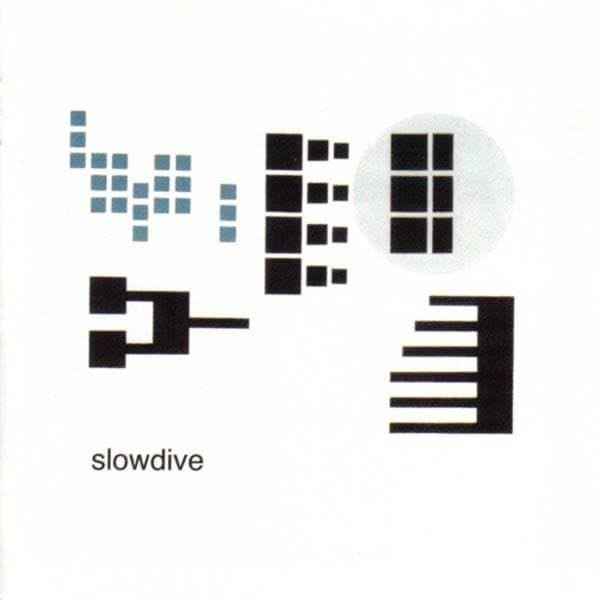
With that significant gripe about Kid A discourse aside, there are also salient points made about the extent to which it innovated outside of rock’s borders. Even in the context of other rockist crossovers into electronic, I find its novelty unconvincing. Within the UK, Slowdive had already made the leap to IDM-influenced soundscaping on 5 (1993) and to ambient ersatz-rock on Pygmalion (1995), neither of which were awarded with anything like the attention or retrospective acclaim as Kid A despite their (at least) equal merits. This is obviously because Radiohead were following a critically lauded masterpiece in OK Computer whereas Slowdive’s Souvlaki was critically panned on release (incidentally, that record’s retrospective acclaim was omitted from this list because it seemed too obvious an example).
There’s an argument that we should be grateful for how Kid A did what Slowdive could not and proliferated electronic influences within indie, but there are plenty of other examples of keynote artists who got there first (Stereolab, Broadcast, Four Tet). Though drastically different in style and appeal, Japan’s ‘90s Shibuya Kei landscape had been nothing if not a decade-long pillaging of electronic sounds from indie musicians; Supercar, the chief Japanese Radiohead-adjacency, would soon produce their own IDM-infused rock masterpiece in 2002’s Highvision.
So, did Kid A deserve to monopolise the conversation around rock bands beeping or booping, or to exert such an outsized presence in electronic discussions? Perhaps not, but I won’t be goaded into cutting it down any further. Forget the stupid conversations and the legacy of fellatio, and this is still a startlingly unified album that does well by its inspirations! Parts of it have aged less well for me – “The National Anthem”’s big band insertions are performatively experimental compared to the album’s more understated fare and “Optimistic” is cold-feet Britpop faff dressed up in airier textures – but with those tracks aside, the eerie beauty, childish curiosity and occasional pangs of terror on this record sound as good as ever today.
As someone who grew up in a post-Kid A world, most of the record sounds tuneful and traditionally pleasant, as do the most listener-friendly pockets of the Warp catalogue it borrows from. It’s telling that although 2011’s The King of Limbs is as complete an album experience (one that the critics were much more broadly in-step with), Radiohead’s fanbase had very little time for how the band emphasised kraut and glitch sounds alongside their more familiar electronic palettes. The title-track and “Everything in Its Right Place” are practically muzak by comparison. Don’t even get me started on how the more affecting songs, the “How To Disappear Completely”s and “Motion Picture Soundtrack”s benefit from a delicate palette.
In short, while I’m partially hostile to the emphasis this album’s reappraisal has placed on its significance, there is plenty to treasure about the music — and if this has been sensationalised rather than coherently expanded in a way that offers a stable set of stepping stones to its many source texts, then that’s hardly Radiohead’s fault. In the reams I’ve pored over to put this piece together, perhaps my single favourite take on Kid A is this contemporary response from Salon’s Michelle Goldberg:
Until I heard “Kid A,” I thought Radiohead were overrated [...] except for the rushing triumph of the song “Let Down,” the much-heralded magic of “OK Computer” eluded me. When that record came out there was a lot of hype about it making rock relevant again. Maybe because I’m part of the first generation in decades that’s not defined by rock — since, that is, its death doesn’t presage my own — I’ve always thought that if rock needed to be saved so badly, perhaps it didn’t deserve to be.
“OK Computer” was celebrated in part for articulating a futuristic, dystopian anxiety, but drum ‘n’ bass, hip-hop and trip-hop have been doing that for years. I suspect part of the reason so many rock critics swooned over the album was because it took a contemporary sense of dazed, pained disorientation and expressed it in an old, comfortable idiom.
On “Kid A,” though, Radiohead have reworked their musical language altogether. The record is a panicked, gritty, gurgling mélange of droning rock, electronic effects and jazz freakouts, full of strange, aching beauty. Unlike musicians such as Tori Amos and Madonna, who have simply injected electronic beats into their work to bring it up to date, Radiohead have created something that transcends fashionable pastiche. There are moments where “Kid A” recalls other records — the lullaby synth melodies on the title track are intensely reminiscent of the genius German electronic minimalist B. Fleischmann, while the hypnotic guitar grind and wild horn stabs of “The National Anthem” are pure Death in Vegas. As a whole, though, the album sounds like nothing else out there, at once dazzlingly experimental and intensely lovely, delicate and grandiose.
This is high praise, yes, but it’s awarded soberly and uses the album’s success as a means to engage insightfully, invitingly with the electronic landscape Radiohead had ventured into; it is clearly not a rockist’s perspective, and it bothers not at all with the tiresome othering of electronic music that Kid A has inadvertently perpetuated. I can practically see an alternative timeline in those paragraphs for the presence this album might have had in music discourse, but alas it turns out that its most loyal adherents were ultimately as unprepared for it as its sharpest critics.
Aphex Twin - Drukqs (2001)
Now?
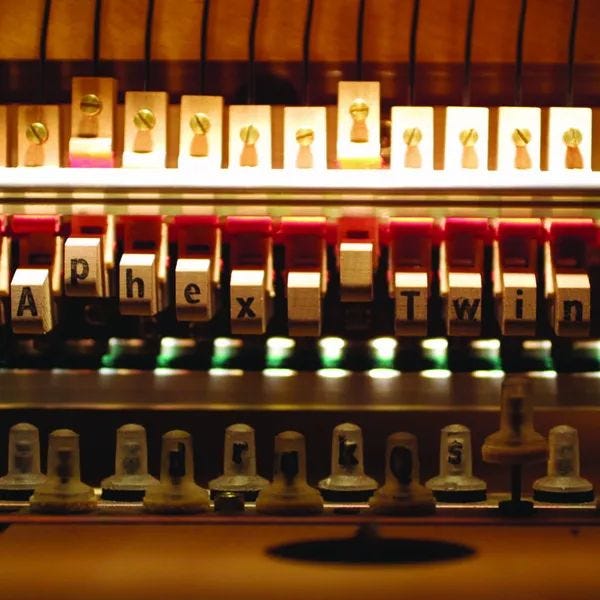
IDM kingpin Aphex Twin (aka Richard D. James) is about as revered as he’s ever been, both within electronic music circles and as a gateway artist. However, his enfant horrible fifth album Drukqs took its time to find tacit acceptance in the canon established by his first four. Across double-album confines, RDJ juxtaposes many of his most violent or unnerving tracks against Romantic piano cuts and short skits; Drukqs is at once his most chaotic full-length and a composerly leap that saw his trademark eerie motifs graduate to conventional prettiness on piano miniatures and firestorms alike (several publications have belatedly tipped their hat to this part of his craft). That sprawling tracklist and haphazard sequencing are do with it what you will territory, but plenty of us have delighted in doing exactly that.
Then?
This one split the room! Some critics were hip to it from the word go, but there were plenty of indifferent or outright negative reactions. Rolling Stone claimed it was a cynical piece of contract gaming dressed up in irrelevant outtakes, while Wire, Pitchfork and the Guardian clung to the IDM standard of perceived innovation at all costs and dismissed Drukqs as reiterative pastiche of his past work (see Pitchfork: From a man who has made a career staying a step ahead of his fans, an album as conventional as Drukqs comes as a sad surprise).
Notably, the latter two publications were nonchalant at best towards the melodic piano fare (The occasional Satie-like piano doodle and the wonderful Bbydhyonchord suggests the talent still lurks if he can be bothered (The Guardian); His production talents [...] wear a little thin when he dons the mantle of artistic maturity, attempting to imitate Erik Satie. [Some songs] rove dangerously close to the Windham Hill new age aesthetic of the 80s (Pitchfork)). Even across pull quotes from non-archived sources, the wilful mess of the album’s structure did not go down well with many.
Verdict
Drukqs is my favourite Aphex Twin along with Syro. The album’s messiness is an entry hazard, but to my ears it’s aged much better than Aphex’s middle-era material and marks a shift in his production to a more contemporary sound. The critics made unfavourable comparisons to the drill ‘n’ bass tracks on Richard D. James Album, but to me that album sounds endearingly dated in a similar fashion to, say, Squarepusher’s Hard Normal Daddy whereas the likes of “Vordhosbn” and “Cock/Ver10” would sound almost as fresh if they came out this week. The album’s abrasive fare has also aged well — even at the time, sceptical reviews were positive about the abstract horrorhouse “Gwarek2”, but I think they might have tipped their hat to how the likes of “54 Cymru Beats” upped the punishment on the percussive side.
As for the prettier stuff and the album’s populist credentials, some of the angles taken in contemporary reviews have proved bafflingly misplaced. You can immediately fingerpoint Q Magazine accusing the album of lacking variety, but the take that has aged the worst is Pitchfork’s claim that Drukqs falls short of how the earlier Aphex records not only struck fans on a personal level, but often reshaped the way they listened to music. Those poor fuckers had no way of reckoning with Gen Z back then, but with its emphasis on short-form immediacy amidst fragmentary chaos, this record has been demonstrably the most significant when it comes to the next-generation revival of Aphex fandom. (This of course chimes with the revival of interest in exactly the New Age minimalist piano music the Pitchfork review dismissed out of hand).
It’s worth noting that Drukqs‘ reappraisal has been a primarily popular enterprise (which itself attests to the album’s out-of-genre relevance). Although Warp have reissued it a number of times, there’s been no single rerelease that has attracted retrospective coverage in the same fashion as Pornography up above, but if you pay attention to pieces that cover Aphex Twin more broadly, there’s plenty to suggest that the barometer has shifted. Still, the album’s 25th anniversary is coming up in October — perhaps this piece is a little premature.
[sic]k! read Hugh, massive effort, massive reward. Hearts etc
Syro > RDJ should be a much more popular take than it is
Will forever remember looking up negative reviews for Black Sabbath in preparation for a throwback review, and finding a Village Voice quote calling it “bullshit necromancy”
Great read and great list, sir!