

REVIEW: Loathe - A Stranger to You
Aggressive evolution? Loathe have simply grown up

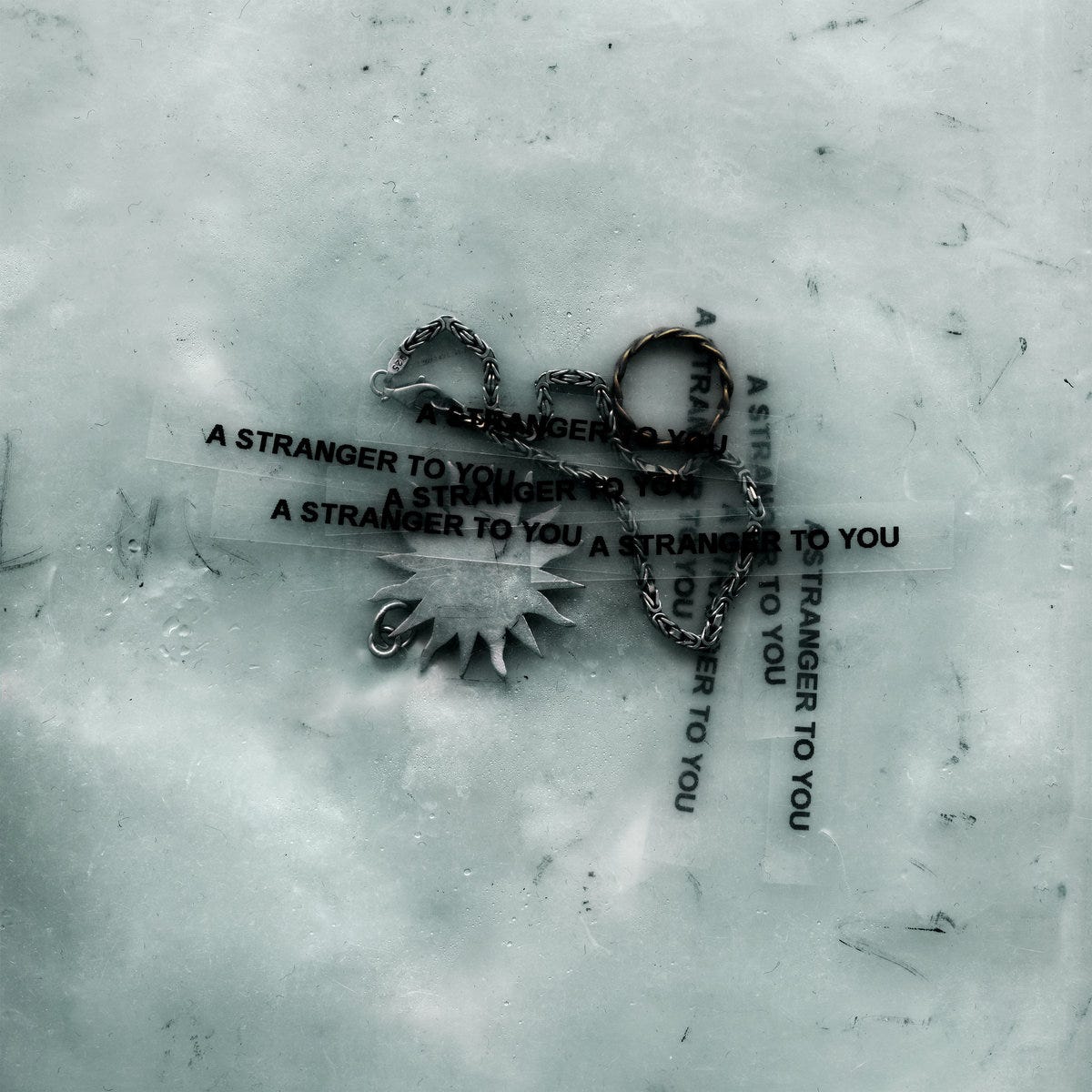
55:01 // July 17th, 2026 // SharpTone
Back in 2020, I would have laughed out loud if you told me that Loathe’s breakthrough album I Let It In and It Took Everything would be hailed in any way, shape or form as a future classic. Plenty of voices hailed it as a gamechanger with its whiplash interplay between moody shoegaze and djent seethe, an apocalyptic video game OST’s worth of ambient filler, its ultra-processed tones, and its propensity for phoning in an earth-shaking breakdown at the expense song stability — but I always felt that they were playing by long-established rules.
The hype at the time so obviously correlated with the attention bands like Car Bomb and Northlane had garnered through their own car-crash songwriting and faux-malfunction aesthetics, and it was perfectly timed to soak up the out-of-genre enthusiasm that nu-gazers such as Whirr and Nothing had brought to critical mass. That’s not even starting on the Deftones parallels. Loathe’s melodic elements occasionally set them apart from the pack, but by and large they seemed the logical next step down the path core had been on ever since (for want of a more prestigious touchstone) the Tony Danza Tapdance Extravaganza’s Danza IIII: The Alpha – The Omega (2012), and I imagined that they too would quickly be obviated by whichever act inevitably came along to do it all again, harder, faster, gazier, dreamier, angrier, all-you-can-eat-ier.
Obviously, time has proven me wrong here. I was wrong both in the micro sense that I Let It In and It Took Everything is still a top shelf record for many a core fan, and also the macro sense that it was extremely well-placed to benefit from the following six years of genre developments. It’s done wonders for Loathe’s cultural capital that Gen Z have developed a drool reflex for Deftones, to say nothing of the plug-in addled model of artificial heaviness flagshipped by END and the unexpected second wind endowed to djent metal by the likes of Vildhjarta. Whatever life the band-in-a-room production style was clinging to has since perished at the hands of Will Putney (keep that man away from your drummer), and if you’re a happy-eating metalcore fan, your best recourse is to buy into the idea that aggression and angst never lent themselves to cohesion or natural dynamics in the first place. Embrace the genre’s DAWified whiplash routine for all it’s worth! Loathe are as good an answer as any. Put them in the context of their highest-flying contemporaries and you have Knocked Loose ascetic knuckle-poundings on one side, and the Callous Daoboys’ everything-and-the-kitchen-sink scenecore revival on the other: if anything metalcore as a whole has grown into their central appeal.
So, there we are.
They now have a new album, six years on from their breakthrough.
And if the overhead landscape analysis seems overborne, then consider the following: while Loathe hitherto has been a Frankenstein-worthy patchwork of existent genre tropes (and their overall appeal obviously contingent on how you feel about these individually), then A Stranger to You is the first time that they sound like a fully-formed band with a realised sound. Gone is the genre pastiche, gone is the aesthetic mismatch, gone for the most part is their dynamite-meets-xanax approach to dynamic contrasts — and in the place of all this is a slick, confident something that I cannot imagine hearing from anyone else.
Hard as it is to overstate how thoroughly Loathe have dismantled the old framework of their sound, it’s still more surprising how coherently they’ve reassembled it: where once their songwriting hinged on moment-to-moment shock value, here they play as carefully integrated wholes. The band’s shoegaze has outgrown the Deftones school of horny valium reveries and makes for a key driver in propulsive songs (think Nothing minus their jejune Smashing Pumpkins overtones). Loathe are still a glutinously heavy band when they want to be, but they’ve matured enough to confine this to dedicated outbursts (”Gemini”, “Revenant”) or to well-earned knockouts within complex song structures (”Gifted Every Strength”).
This may suggest a dialled-in approach to a new formula, but the album is full of flourishes that suggest a creative curiosity: there’s nothing autopilot about the disco-ready guitar track at the end of “Harder to Pretend”, the “Gifted Every Strength”’s placement of its emotional climax in an extended guitar solo rather than its central breakdown, or the band’s decision to trade bullish aggression for Arctic Monkeys-esque swagger on the main riff of “Fangs”. Loathe’s penchant for a rug-pull can still verge on self-sabotage, as on the unfortunate opener-in-effect “Block of Flats”, with its inelegant structure and mismatched breakbeat-insertions (thank you internet), but for the most part they do well to raise eyebrows without losing their groove.
Said groove is a hoot when it all connects! The likes of “Fortress Down” and especially “Meet My Maker” are robust bangers that forego dynamic contrasts in favour of steady momentum. The twists here come from the band building on steady upper-mid tempo sluggers, or else cutting back to emphasis ongoing traction; the hooks are iterative and all the better for it, especially since the production is just gauzy enough that you can feel those melodies have earned it when they stick the landing. There are points when they sound less like a metal act than the final form of whatever Muse have been grasping at for however many years, but however close their delivery comes to scuzzy alt rock, they never enter full copycat territory. So long to yesterday’s trope collage!
The risk with all this (as has been borne out in a lot of the early fan discourse) is that none of the areas in which Loathe have refined their craft are traditionally high on the metalcore agenda. Production-wise, it’s very encouraging to see the band retain such autonomy over their own sound, and although it’s not entirely to my tastes (does every snare have to hit like a depth charge?), the whole record is still impressive and intentional in its aesthetics throughout. But who exactly do the band hope to impress here? Surely not the same fanbase that flits freely between I Let It in… and the brickwalled cesspit of Humanity’s Last Breath, and the legions of bands sporting the aforementioned, dreaded Will Putney production credit? See Benjamin Jack’s excellent analysis of Bring Me the Horizon’s re-recorded debut for a deeper breakdown of the overproduced commercial standards that contemporary -core music is expected to indulge.
By a similar token, Loathe may have synthesised their sound into a brave new form, but this sacrifices much of the heaviness and angst that they built their name on. Combine this with their newfound penchant for an arena-ready roofraiser (”No Stranger to You”), and you can practically hear the sellout accusations rolling off spit-flecked lips. This leaves A Stranger to You in an extremely awkward position: its streamlined songwriting and energetic focus do boast commercial potential beyond metalcore’s seething grounds, yet its aesthetic idiosyncrasies and periodic brutality are likely to leave a full mainstream breakthrough out of reach (and in fairness, its melodic hooks often lack authority compared to its engaging dynamics). Time will tell what happens there, but with many of I Let It in…’s devoted audience on the fence (or worse) about this album, can Loathe still count on their prestige as a metalcore act?
Any doubts on that front are a reflection of something far healthier: materially beholden to metalcore fans though Loathe may be, A Stranger to You‘s aesthetic appraisal seems beautifully non-contingent on their opinions. If you’re ride-or-die for the bottom-feeding jank that scored I Let It in and It Took Everything its place in the canon, then A Stranger to You released on the same day as the latest efforts from Boundaries and Motionless in White. Loathe don’t seem to be playing that game anymore, and if their growth in the last six years has outstripped that of their once-target audience, then all power to them.
Personally, this album has come as a very welcome surprise that challenged many of my preconceptions of core bands (even if it has confirmed others), and I feel invested in Loathe like never before. I hope the next thing they make sounds like a djent version of the Devin Townsend Project’s Addicted minus the pomp and plus a hundred features from middle-aged shoegaze vocalists who had never heard any of Loathe’s music until they got cold called for the occasion; I hope the focused, integrated approach they bring here pans out as longevity beyond the trends they no longer need to live or die on, and regardless of trends, I especially hope that they dethrone Bring Me the Horizon and Sleep Token as the UK’s biggest metal export without making any of the same race-to-the-bottom concessions. A Stranger to You is far from perfect, but it is a bold step in the right direction, so mark it and listen to it with your ears. Or don’t! And don’t call me.
6.5/10

Further listening:

Holy Fawn - Death Spells
Curve - Gift
Nothing - Guilty of Everything
I enjoyed some of I Let it In, but almost entirely on the backs of how they were essentially "We have Koi No Yokan at home." Was really taken aback in a good way how this album both reformed their sound and, as you said, feels distinctly Loathe. Awesome read, will be spinning this some more to unpack it.