


What’s up everyone! This past week marked the beginning of my journalism research for school, so it has been interesting balancing both academics and this lovely series so far — but it still has been immensely rewarding. This week I primarily focused on albums I know pretty well so that I didn’t have to spend too much time dissecting an entirely new record while I was busy working on other things. Nonetheless, I’m very happy with all of the reviews here, especially the last one… so you better read all the way to the end of it! Anyway, enough of this intro, I know you all are anxiously awaiting my factual and objective reviews of the past week, so let’s get right into it.
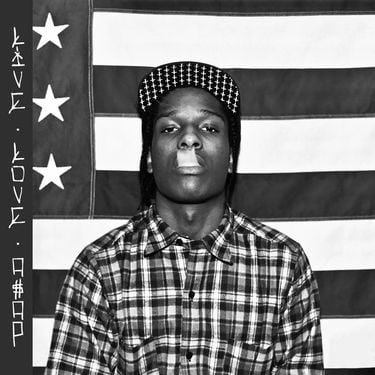
Entry 31 // A$AP Rocky - LIVE.LOVE.A$AP
There are multiple ways to describe this mixtape: influential, pivotal, breakthrough, the list goes on. LIVE.LOVE.A$AP is the release that brought cloud rap to the forefront of mainstream. Legends like SpaceGhostPurrp and Clams Casino, both of which are featured as producers on this record, had helped establish the dreamy soundscape of cloud rap… A$AP Rocky simply capitalized and brought it to the spotlight in a new way. This woozy production style combined with influences of Southern hip hop sounds makes LIVE.LOVE.A$AP a unique and entertaining listen. Although A$AP Rocky’s style has evolved over the years, with a more modern trap influence on his recent release Don’t Be Dumb, this mixtape still feels ahead of its time and lives up to the hype nearly 15 years later.
LIVE.LOVE.A$AP is more of an album to be heard, not analyzed. Although the lyrics are rather surface level talking about drug use, women, and money, A$AP Rocky simply keeps it real — but the lyrical narrative isn’t what this is truly about. More than anything, it is an experience of sounds. The lyrics are more of a vehicle for A$AP Rocky’s melodic flow, acting more like an instrument that complements the production and melodies more than provides lyrical depth. This is particularly noticeable on tracks like “Wassup,” where the chorus thrives on the subdued, quiet vocal melodies that sit nicely in the dreamy, massive production. Speaking of the production, it is absolutely phenomenal throughout the entirety of the mixtape. There is so much space throughout the tracks, and the layers of synths soaked in reverb and woozy effects give a hazy tonality that engulfs every song here. Whether it’s the twinkly synths with muffled bass beats in “Peso,” the lofty, slow-burn melodies of “Purple Swag,” or the southern-tinge of “Trilla,” LIVE.LOVE.A$AP is filled with some of the best production work in any hip hop release out there.
Every listen highlights another new subtlety that was missed before. One moment a unique sample comes to the forefront, and the next an ear-wormy melody that was hidden last time sneaks its way into the mind. No matter how many times you listen, it only grows more and more and showcases its strengths. It’s really unfortunate that I never listened to much A$AP Rocky before, but his early work includes some of my favorite modern hip hop records to date. The more I listen to LIVE.LOVE.A$AP, the more I fall in love with it and the more I return.
9/10Favorite Track: Sandman / Demon
Least Favorite Track: Roll One Up
Final Thoughts: For the longest time, the only A$AP Rocky that I knew was “Praise The Lord (Da Shine),” and I am so glad that is no longer my only exposure to him.
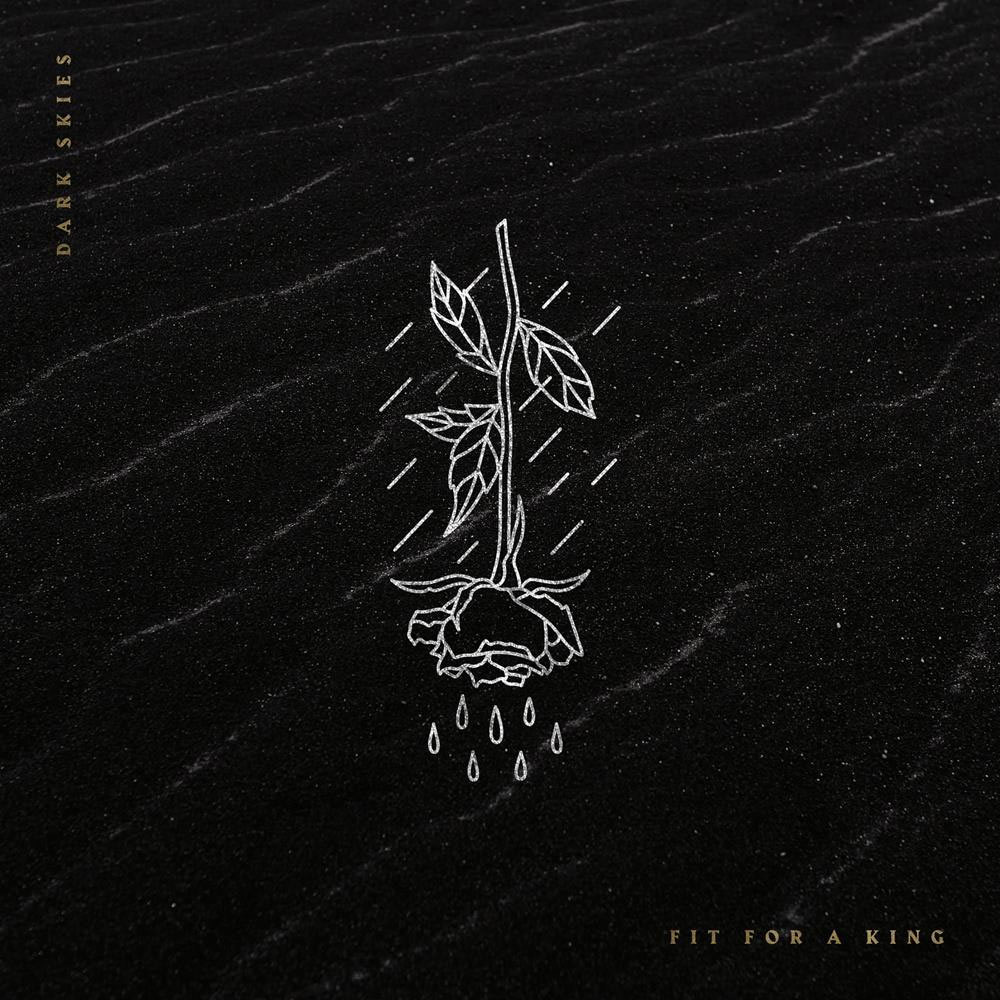
Entry 32 // Fit For A King - Dark Skies
If you ask most Fit For A King fans, they will typically point to this one as their all-around best record to date. I mean, who are we kidding, I was in that same group for a while, and I had a lot of high praise for it back in the day. Over time, however, the cracks began to show and the power Dark Skies once had was starting to fade. The initial strengths quickly became weaknesses, and the moments of intrigue grew into fatigue. After the impressive string of records from Creation / Destruction to Deathgrip, Dark Skies had to follow suit, right? That was certainly the case initially — but what happened?
Before we get too deep in the weeds of what went wrong, there are some things that need to be addressed. “Tower of Pain” still stands as one of their best songs. That intro is intense and builds tension perfectly, and that first riff with the blast beats will get a mosh pit running in no time, only complemented by the soaring chorus’ melodic screams and that crushing final breakdown that just feels massive. Moreover, this album features some of the band’s best vocal work, with both Ryan Kirby and Tuck O’Leary improving their clean vocals and Kirby continuing to showcase his impressive variety in harsh delivery. The production here is crisp and punchy, highlighting the heaviest moments and capturing all the nuances of the atmosphere and lead work. There is certainly a good amount of substance here to appreciate — but with every good comes a not-so-good.
With each repeated listen, the moments of shock slowly faded into the background, no longer hitting as hard as that initial spin. For example, Dark Skies shows the band going deeper into their heavier crushing style of metalcore, showcased by tracks like “Shattered Glass” and “Backbreaker.” While tracks like “Pissed Off” and “Bitter End” from previous releases also showcased that unrelenting aggression focus, they had a more nuanced approach that felt layered and deeper in songwriting. The two tracks mentioned from this record have only one goal in mind: beat your face in. Sure, they do a great job of doing that, as they stand as some of their most brutal tracks, but they are merely surface level, providing chugs and riffs but no substance. Additionally, their more melodic focused tracks like “When Everything Means Nothing” and “Youth | Division” deliver on the improved vocal performances, yet falter in the songwriting department, with both tracks treading metalcore tropes and mundane structures that simply hit auo-pilot and don’t innovate.
Now, not everything is lost here. Along with the aforementioned “Tower of Pain,” bookends “Engraved” and “Oblivion” showcase what Fit For A King was truly striving for with Dark Skies: the perfect blend of unforgiving breakdowns, powerful and captivating chord progressions, and strong, beautiful melodies that complement the screams. However, these songs alone can’t pull the weight of the record while others like the rather boring nu-metalcore focused “Anthem of the Defeated” and the lackluster penultimate transition of “Debts of the Soul” actively work against the band’s strengths. While I do admit that I loved this album for a while when it first released, Dark Skies has aged like milk as the faults have only been magnified over the years, placing it towards the bottom of their discography.
5/10Favorite Track: Tower of Pain
Least Favorite Track: Anthem of the Defeated
Final Thoughts: I could honestly write a similar review for many metalcore bands I used to listen to all of the time in high school… but this one is the biggest fall from grace for me.
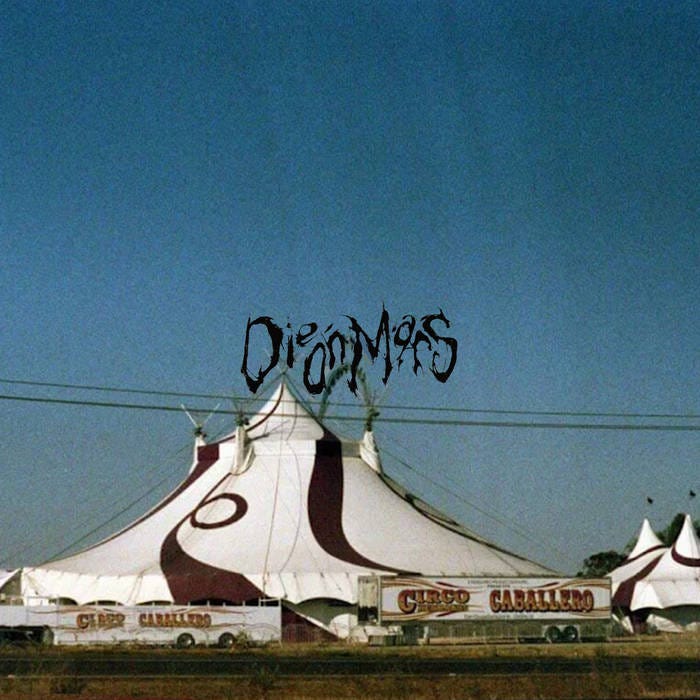
Entry 33 // The Callous Daoboys - Die on Mars
After a couple short EPs, The Callous Daoboys burst onto the mathcore scene with their debut record, Die on Mars. For most of the record, the band finds itself comfortably sitting in their mathcore niche, relying on panic-chord-driven guitars, chaotic drum chops, abrasive harsh vocals balanced by the occasional clean melody, and… a violin? For the most part, the group primarily sticks to what you’d expect from a modern mathcore band with constantly shifting structures and hard-hitting riffs. It is a foundational album for the trajectory of the band, but how good is it truly?
The more straight-forward pieces on Die on Mars can be divided into two categories: pedal-to-the-metal rippers and the dynamic burners. The former features songs that just don’t hold back anything the band has to offer, highlighted by key tracks “Fake Dinosaur Bones” and “Contrail Crucifix.” These rippers have very few moments of empty space, guided primarily by Carson Pace’s psychotic vocals and dissonant riffs. Other tracks like “The Absolute Barnstormer” achieve the same effect with a few more moments of zaniness in the midst of the chaos, like a conversation between a waiter and a customer and a bunch of blabbering at the beginning — they have very little connection to the narrative of the song… but they are the perfect additions. The other piece of the puzzle, the dynamic burners, deviate very slightly from the blistering pace of the others, and they all fall in a stretch with each other. “Faraday Cage,” “Pure Schlock,” and “Cobra Winfrey” define this category, and for good reason. You will find the crazy mathcore segments of the previously mentioned tracks, but now we have a bit more melody and some experimentation with softer elements, like the catchy and energetic chorus of “Pure Schlock” or the eerie sounding bridge of “Cobra Winfrey.” Sometimes these tracks get overlooked, but they are some of the unsung highlights of their discography.
Although at this point the band hasn’t blossomed into the avant-garde and genre-bending band that we know today, there are two songs in particular here that stand as exemplary pieces that define the future of the Daoboys. First up: Blackberry DeLorean. This is the melodic jam of the record, with clean vocals dominating most of the track throughout the infectious verses deviating from the over-the-top riffing and chaos. It’s a moment of respite in the best way possible, because it balances the insanity in a tasteful manner, never taking away from the intensity but adding to it. This greater focus on melody became a foundational piece of the band’s future releases, and this song was a perfect example of how to pull it off properly. However, the undeniable highlight of Die on Mars is the title track, “Die on Mars (Sunspot).” I might be biased saying this, but I firmly believe this is an essential Daoboys song and one of the best in their catalog — but why? It features some of their best riffing with a mix of chugs, dissonance, and wild-sounding pitch shifts… but that only scratches the surface. From the bridge onwards, the group showcases their ability to craft well-thought-out compositions, utilizing the full array of their talents. The jazzy, clean guitars and bass provide a uniquely beautiful sounding passage on the record, complemented by the most prominent performance of the violin and solid vocal melodies, only to explode into a chaotic breakdown. The final minute of the song is the most massive sounding segment of the entire record, filled with powerful delivery by Pace, full-sounding guitar chords, and layers upon layers of vocals and instrumentation that add to the atmosphere, making it an immensely rewarding conclusion.
While Die on Mars has its fair share of flaws, like guitar riffs blending together due to the over use of panic chords or that the record lacks an overall pace, it is a great blueprint for what The Callous Daoboys wanted to do next with their career. Of their three albums, this sits as their weakest, but it is far from a failure. It is an album you can throw on and just mosh around without a care in the world — a fun and exhilarating experience. The debut shows a band with all the tools to succeed, now, they just had to put it all together.
8/10Favorite Track: Die on Mars (Sunspot)
Least Favorite Track: The Absolute Barnstormer
Final Thoughts: The first time I saw the Daoboys, the lead singer jumped off the stage and drop kicked someone in the pit… 10/10 experience.

Entry 34 // Bad Bunny - DeBÍ TiRAR MáS FOToS
Bad Bunny’s music has changed over the years. Early on in his career, he primarily focused on trap style music, bringing Spanish-language rap with some Latin elements to the forefront of mainstream rap in X 100PRE and YHLQMDLG. However, starting with LAS QUE NO IBAN A SALIR and especially in Un Verano Sin Ti, Bad Bunny began to leaven heavier into the Latin influences, bringing catchy beats and reggaeton inspired grooves. With DeBÍ TiRAR MáS FOToS (DTMF moving forward), he drops much of the trap style and entirely embraces his Puerto Rican roots, infusing his typical reggaeton sound with other styles like bomba and salsa. From opener “NUEVAYoL,” DTMF kicks off with a dancey rhythm and Bad Bunny’s infectious flow with an homage to El Gran Combo de Puerto Rico and Andy Montañez and their early 70s Salsa hit. Others like “BAILE INVoLIDABLE” and “CAFe CON RON” lean heavy into the Latin focus, deviating from the trap-inspired grooves in favor of beautifully sung melodies from Bad Bunny, showing his more melodic side compared to his rap focus. That’s not to say he’s entirely abandoned his trap-esque style. “EoO” begins with a party-like bass synth, leading into a flow that admires a woman’s beauty and the desires and lust that ensue. Likewise, “EL CLúb” is noted by its house-esque bass and rhythm, creating an atmospheric party jam that harkens back to Bad Bunny’s early days.
I want to specifically talk about the main highlight, the title track “DtMF.” It is the perfect mix of everything that makes Bad Bunny who he is. The atmosphere and melodies are light and airy, the percussive beats and bass are subtle but foundational, and the entire song is a slow burn into the final section with a beautiful chorus of voices singing together. However, it isn’t just the sound that makes this song so special, it’s the meaning behind it. “I should’ve taken more pictures when I had you / I should’ve given you more kisses and hugs whenever I could / I hope my people never move away.” It’s a song of nostalgia and reflection, full of regret and wishes, it’s something we can all relate to. The record as a whole shows Bad Bunny tackling all sorts of topics, from the love and desire of women, the passion to party, and the pride of being from Puerto Rico, yet it all comes back to this idea of nostalgia and wishing we had a bit more. Never take anything for granted and enjoy the moment, take it all in and cherish it, because we never know when we will lose what we have.
8.5/10Favorite Track: DtMF
Least Favorite Track: TURiSTA
Final Thoughts: I have always admired how Bad Bunny can take a language I don’t know and turn it into something so catchy and replayable.
Entry 35 // The Callous Daoboys - Celebrity Therapist
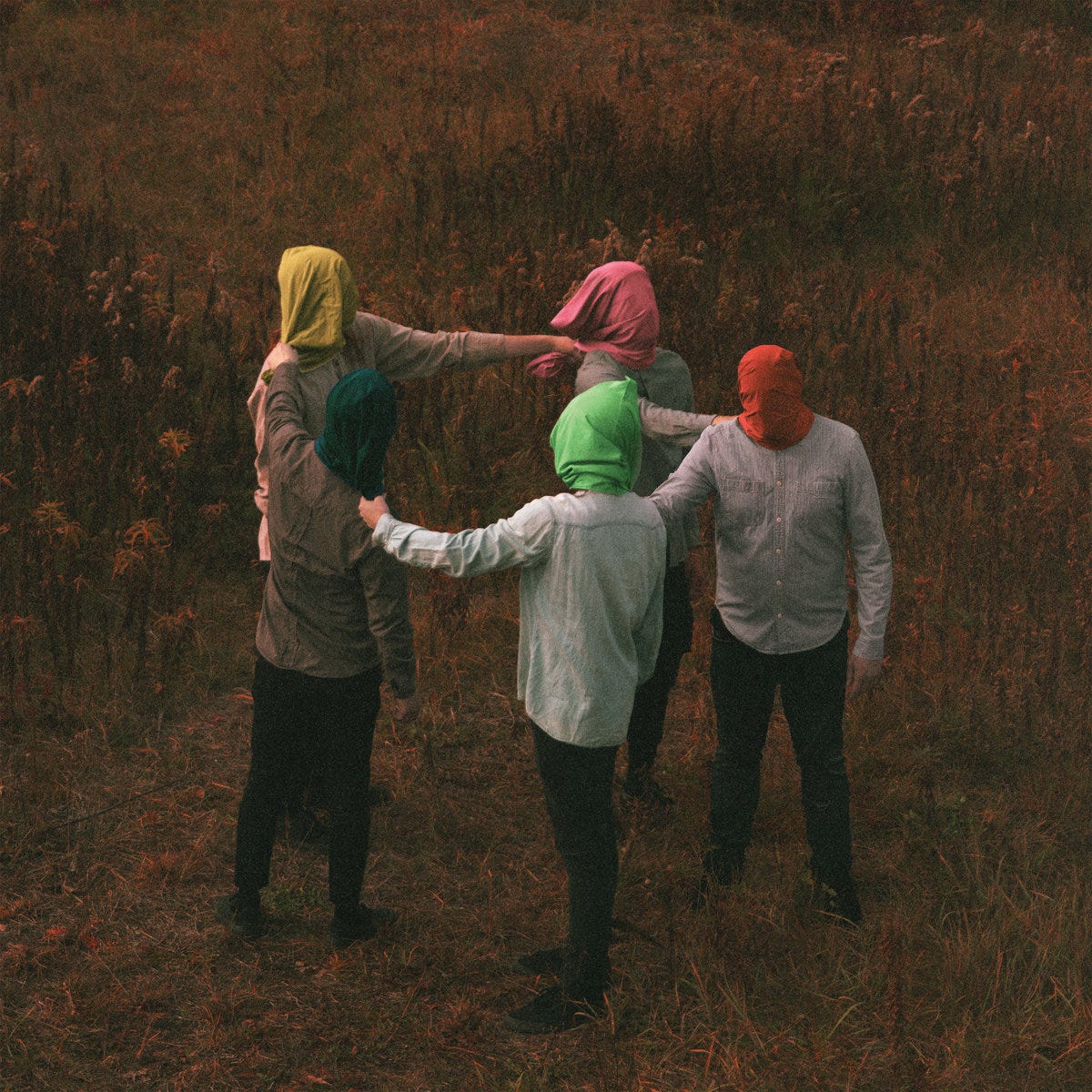
If Die on Mars was the foundational blueprint, Celebrity Therapist is the experimental execution. Where the previous record primarily sat in its own lane and was rather straight forward, this release takes everything a step further and capitalizes on the wild and zany elements that were shown in brief spurts previously. It almost acts like an antithesis to Die on Mars — while the former revelled in the beauty of the straight forward structures bolstered by sometimes off kilter time signatures, this excels in its lack of a formidable structure but with a greater musical focus. It seems a little contradicting hearing it described that way, but I promise there’s a reason for stating it that way.
From opener “Violent Astrology,” it’s clear the direction The Callous Daoboys decided to take their music: deep into absurdity. The song lacks any semblance of structure, bouncing from one segment of a chaotic mix of blistering drum grooves and fluctuating guitar panic chords to a softer section with clean guitars and bass with ghost-note-ridden chops without any clear transitions — but it never lacks intentionality. Despite its unconventional approach compared to what Die on Mars had to offer, it feels more focused, as if the band wanted to showcase their ability to take insanity and rein it into a well-thought out opener. This formula, or lack thereof, is expanded upon further in tracks like “Beautiful Dude Missile” and “What Is Delicious? Who Swarms?,” both of which thrive off the refusal to return to a refrain or chorus, instead opting to focus on changing up riffs and tempos in a whiplash fashion that keep the tracks captivating and replayable. Despite the lack of repetition, the tracks seep their way into your mind with catchy riffs or a memorable segment, most notably with the epic sounding conclusion of “There’s no answer!” exclaimed throughout the final seconds of “Beautiful Dude Missile.”
Even the more “structured” jams of the record fall into the calamity of zaniness and unorthodox performances. “A Brief Article Regarding Time Loops” is one of their most chaotic tracks to date, opening with a barrage of blasted drums and sliding guitar noises complemented by the weirdest bridge that reflects on the insanity of deja vu and the inescapable nature of the feeling… fitting for the sound of the song. The deceptive “Field Sobriety Test” begins with a beautiful clean guitar progression, only for it to explode into the typical mathcore machine-gun-esque rhythm, only for you to be thrown back into a melodic chorus that absolutely soars. The song maintains this back-and-forth dynamic throughout the entire duration, yet it never feels over-bearing with its approach and execution of the contrasting sounds. Lastly, “The Elephant Man In The Room” sounds like a direct continuation of Die on Mars, relying heavily on a main riff that permeates throughout the entire jam, deviating only momentarily for a softer, experimental bridge and an intense breakdown that adds a unique flavor to the original style they had prior to Celebrity Therapist.
However, there are two songs in particular that take this entire record to the next level. First is their best song: “Star Baby.” This is the embodiment of everything that makes The Callous Daoboys who they are. The lyrics are off-the-wall, the guitar work sounds more like sliding noises than defined chords or riffs, the structure plays heavily on the mix of heavy breakdown-style chugging and softer moments that allow the instrumentation to breathe, and the musical chemistry is apparent through every step of the way — yet that doesn’t even scratch the surface. It really is a tale of two bands, the first being the mathcore giants that they’ve become, and the second being the melodic masters they would become. The final two minutes are full to the brim with beautiful and massive sounding chord progressions, a mix of horns and brass that match the immense melody of the finale, and the perfect and powerful vocal performance to conclude the album from Carson Pace. But the second track is their most important song: “Title Track.” This was the first song in their discography that made mathcore the secondary genre. Throughout the previous releases and most of Celebrity Therapist, The Callous Daoboys have established themselves as the up-and-coming face of modern mathcore — which is what makes “Title Track” so important. The song finds its success with the simple structure and melodies, with verses that feed off of cleanly plucked power chords only broken up by the occasional reminder that they are still a mathcore band. However, the track stands as the most accessible on the record and provided a gateway of new opportunities for the band. Yes, the heavy factors were still present, especially in the final moment with a simultaneously aggressive and infectious riff for the concluding breakdown, but there was an even greater focus on the melodies; something only briefly considered throughout “Blackberry DeLorean” on Die on Mars. With these two songs alone, The Callous Daoboys were finally notching their identity that would be fully embraced on I Don’t Want To See You In Heaven.
I don’t think The Callous Daoboys will ever be able to top Celebrity Therapist, and that’s not a bad thing. This stands as one of the most important releases for them in their discography. They effortlessly built upon the foundation they set with Die on Mars, and they laid out the pieces for I Don’t Want To See You In Heaven perfectly. I admit, I love every release the band has produced, and actually ranking their work is difficult. However, upon reflecting on the elements and structures provided within this record, it’s hard to not view this as the most important release in their careers. In just under 37 minutes, The Callous Daoboys managed to craft a perfect record that captured their entire identity and desires: a mathcore band at heart that didn’t hesitate to expand into other genres and melodic avenues.
10/10Favorite Track: Title Track
Least Favorite Track: N/A
Final Thoughts: Since I won’t be reviewing the next album, I just need to say that my favorite track from that record is “Full Moon Guidance,” which stands as a top 5 Daoboys song.
That’s all for this week y’all! If any of you have suggestions you want in this series, please rec them below and I’ll be sure to throw them in the rotation. See you next week!